Introduction: The Hidden Cost of Wanderlust
From the cobbled streets of Venice to the sun-kissed beaches of Bali, some of the world’s most beloved travel destinations are buckling under the pressure of overtourism. What once felt like an enriching global exchange has increasingly become a strain on local communities, infrastructure, and natural resources. As post-pandemic wanderlust surges and international travel rebounds, the tourism industry must reimagine itself. Try out the crowd-free African adventures
Affiliate Disclaimer: This article contains affiliate links. If you book through them, I may earn a small commission at no extra cost to you. This helps keep the blog running ,thank you for your support!
Understanding Overtourism: When Travel Tips the Scale
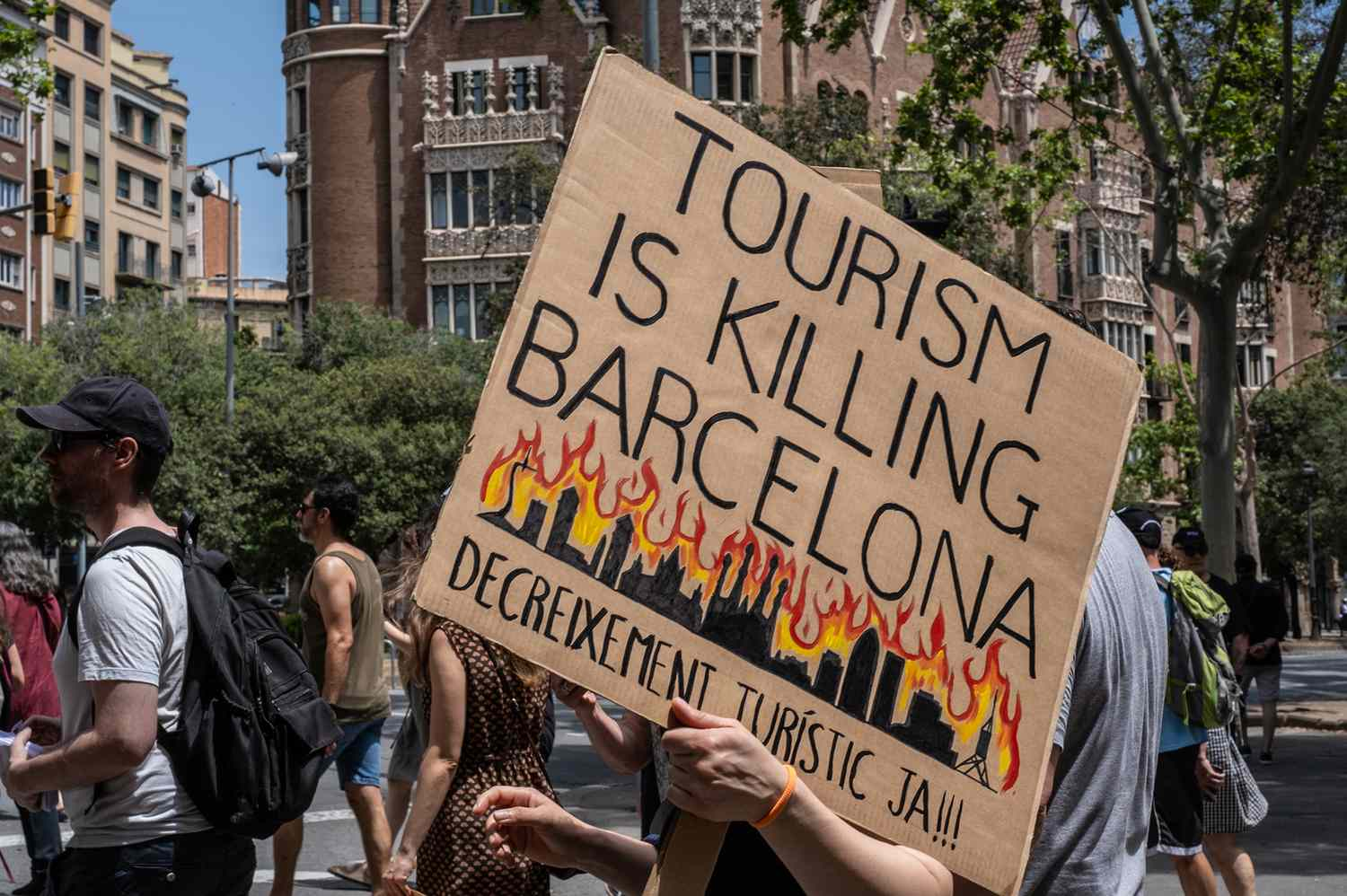
Overtourism occurs when too many tourists flood a destination, outpacing the ability of local ecosystems and communities to cope. Popular cities like Barcelona, Rome, and Amsterdam now struggle with pollution, rent inflation, and cultural dilution due to the influx of short-term visitors.
Key challenges caused by overtourism include:
- Environmental degradation (erosion, litter, water overuse)
- Cultural erosion and displacement of local communities
- Strain on infrastructure (transport, water systems, waste management)
- Negative local sentiment towards tourists
As travelers grow more conscious of their impact, the demand for off-the-beaten-path and sustainable tourism experiences is rising. This shift makes Africa still largely untapped and rich in diversity an exciting and responsible alternative.
Why Africa Is the Future of Sustainable Travel
While Africa has long been associated with safaris and luxury wilderness lodges, it offers much more: from coastal escapes and wine trails to ancient ruins and vibrant cities. With 54 countries, over 2,000 languages, and unmatched biodiversity, Africa is not a monolith it’s a mosaic of cultures, terrains, and adventures.
1. Low Tourism Density “High Travel Value”
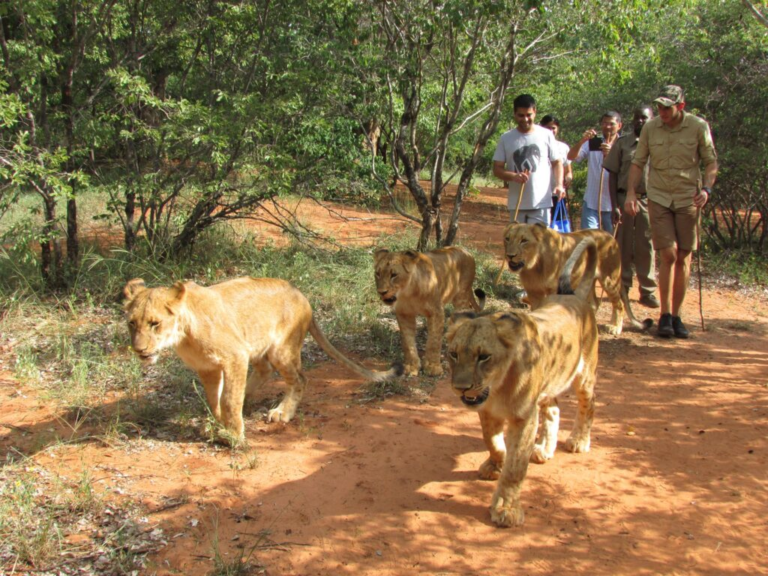
Unlike overrun European capitals, many African destinations remain delightfully undercrowded. Whether it’s Namibia’s vast deserts, Zambia’s roaring Victoria Falls, or Rwanda’s misty mountain gorillas, visitors enjoy more immersive, personal encounters with both nature and culture.
Book an uncrowded Zambia safari that meets the wilderness, far from the crowds.
2. Support for Community-Based Tourism
Many African nations are pioneering community-led tourism models. These initiatives channel profits directly into local development, helping preserve traditional ways of life while giving travelers authentic cultural experiences.
Experience Maasai culture with a stay through Intrepid Travel where tourism meets empowerment.
3. Eco-Friendly Infrastructure Is Growing
From eco-lodges in Botswana to solar-powered treetop camps in Kenya, Africa is embracing sustainability from the ground up. Travelers can now choose accommodations and experiences that minimize carbon footprints and protect wildlife.
Stay at Green Safaris, the pioneers of solar-powered travel in Zambia and Malawi.
4. Adventure Without the Footprint
Africa’s travel appeal lies in its diversity of experience game drives, mountain hikes, diving in turquoise waters, or tracing the origins of humankind. Yet most of these experiences are spread across vast landscapes, reducing overcrowding and impact on any one location.
Book a custom overland Africa adventure with G Adventures.
Where to Go in Africa Instead of Overtouristed Hotspots
| Overtouristed Destination | Sustainable African Alternative |
| Venice, Italy | Cape Coast, Ghana – history, forts, and culture |
| Santorini, Greece | Bazaruto Archipelago, Mozambique – unspoiled beaches |
| Bali, Indonesia | Zanzibar, Tanzania – spice islands & serene waters |
| Grand Canyon, USA | Fish River Canyon, Namibia – second-largest canyon |
| Amsterdam, Netherlands | Kigali, Rwanda clean, green, and rising |
Compare affordable flights to Africa using WayAway Plus and get up to 10% cashback on bookings.
Making a Positive Impact Through Travel
Africa’s growth in tourism offers a unique opportunity to do things differently. With the right planning and providers, visitors can ensure their journey contributes positively to local environments and communities.
Tips for Responsible Travel in Africa:
- Choose locally-owned lodges and tour operators
- Respect wildlife and keep a safe, non-intrusive distance
- Travel in the off-season to ease local pressure and gain better deals
- Minimize plastic use and bring a reusable water bottle
- Learn and respect local customs and traditions
Offset your carbon emissions easily with MyClimate.org.
Final Thoughts: Africa Is Not a Backup “It’s a Revelation“
As global travelers rethink their destinations in light of sustainability and meaningful experience, Africa stands not as an alternative, but as a revelation. It offers what many other destinations can’t anymore, “space to breathe, opportunities to give back, and the chance to be more than a tourist.”
The continent is not just ready for tourism; it’s ready for better tourism, tourism that respects its rich tapestry of life and lets travelers leave richer in spirit, not just photos.
Start planning your transformative African journey with Safari.com compare tours, prices, and expert guides in one place.
Ready to Rethink Your Bucket List?
Africa is not waiting to be discovered it’s waiting to be respected, explored, and appreciated. Travel there not just to escape the crowds, but to embrace something deeper: adventure with purpose.