Southern Africa is rapidly becoming one of the world’s leading destinations for sustainable travel. As travelers become more environmentally conscious, the demand for ethical wildlife experiences, eco-friendly safaris, and community-based tourism continues to grow. This shift has given rise to a new tourism model known as smart conservation tourism Africa, where sustainability, technology, and conservation work together to protect natural ecosystems while supporting local communities.
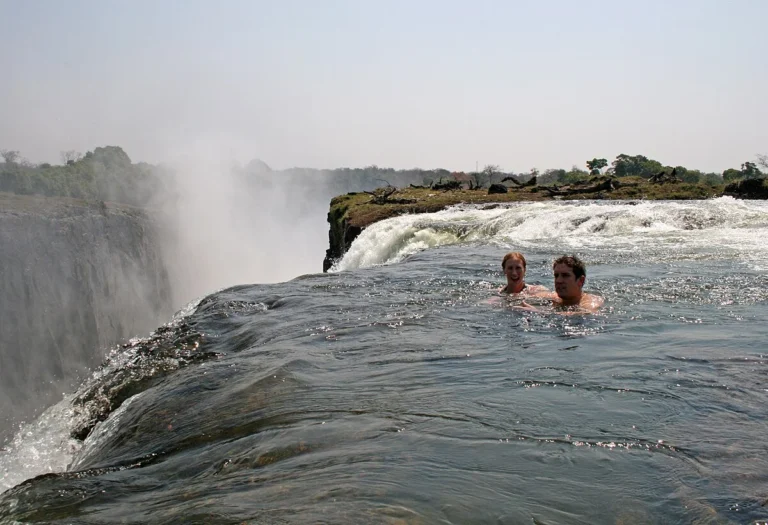
From the wetlands of the Okavango Delta to the wildlife-rich plains of Kruger National Park and the spectacular beauty of Victoria Falls, Southern Africa offers some of the most rewarding eco tourism experiences on the planet.
Affiliate Disclosure: Some of the links above are affiliate links. If you purchase through them, we may earn a small commission—at no extra cost to you. It helps keep Afrocite Travels running and supports more helpful content like this.
What Is Smart Conservation Tourism Africa?
Smart conservation tourism Africa is a sustainable tourism approach that combines environmental protection, local community empowerment, and modern technology to create responsible travel experiences. Unlike traditional tourism models that often focus purely on visitor numbers and profit, this approach prioritizes long-term conservation and social impact.
The model is built around several important principles:
- Wildlife conservation
- Eco-friendly tourism infrastructure
- Renewable energy use
- Community participation
- Ethical safari operations
- Sustainable economic growth
Across Southern Africa, tourism operators are increasingly adopting green tourism practices to reduce environmental damage while improving the traveler experience.
Why Southern Africa Leads Sustainable Tourism
Southern Africa has become a global leader in eco tourism safaris in Africa because of its incredible biodiversity and strong conservation culture. Countries like Botswana, Namibia, Zambia, and South Africa have invested heavily in wildlife protection and sustainable safari travel.
Many safari destinations now limit visitor numbers to reduce environmental pressure. This low-impact tourism strategy protects fragile ecosystems while offering more exclusive wildlife experiences.
For example, Botswana’s high-value, low-volume tourism policy has helped preserve the pristine ecosystems of the Okavango Delta while generating strong conservation revenue.
Smart Technology in Wildlife Conservation
Technology is transforming conservation tourism throughout Southern Africa. Modern conservation projects now use advanced systems to protect endangered species and manage tourism more effectively.
Smart Conservation Technologies Include:
- Drone wildlife monitoring
- GPS animal tracking
- Solar-powered safari lodges
- Smart water management systems
- AI-powered anti-poaching surveillance
In areas like Hwange National Park and Etosha National Park, conservation teams use real-time monitoring systems to track elephants, rhinos, and predators across vast protected landscapes.
Many luxury eco-lodges now operate entirely on renewable energy while minimizing waste and water consumption. These eco-friendly safari experiences appeal strongly to environmentally conscious travelers.
Community Conservation Tourism Africa
One of the biggest strengths of smart conservation tourism Africa is its focus on local communities. In the past, rural communities living near wildlife areas often received little benefit from tourism. Today, community conservation tourism Africa helps local residents become direct partners in the tourism economy.
In Namibia, community conservancies allow local people to manage wildlife resources and benefit from eco tourism revenue. These initiatives create employment opportunities, support schools and healthcare services, and encourage wildlife protection.
Similarly, communities near South Luangwa National Park participate in conservation safari operations, cultural tourism programs, and sustainable tourism businesses.
When local people benefit economically from wildlife conservation, they become more invested in protecting ecosystems and endangered species.
Best Eco Tourism Destinations in Southern Africa
Southern Africa offers many world-class sustainable tourism destinations for travelers seeking ethical wildlife experiences.
Okavango Delta
A UNESCO World Heritage Site known for luxury eco camps, wildlife safaris, and low-impact tourism.
Victoria Falls
One of Africa’s top eco tourism destinations offering conservation-focused tours and sustainable adventure activities.
Kruger National Park
Famous for responsible safari operators and wildlife conservation programs.
Etosha National Park
Known for desert wildlife conservation and community-based tourism initiatives.
Chobe National Park
Home to one of Africa’s largest elephant populations and eco-friendly safari lodges.
Climate Change and Sustainable Safari Travel
Climate change remains one of the biggest threats to African tourism and conservation. Rising temperatures, droughts, and habitat destruction are affecting wildlife populations across Southern Africa.
To address these challenges, sustainable safari lodges Africa-wide are adopting climate-friendly tourism solutions such as:
- Solar power
- Rainwater harvesting
- Plastic-free operations
- Carbon offset programs
- Habitat restoration projects
Travelers increasingly prefer responsible travel in Southern Africa that supports environmental protection and climate resilience.
This growing trend is pushing tourism businesses to adopt greener operations while educating visitors about conservation issues.
How Travelers Can Support Smart Conservation Tourism Africa
Tourists play a major role in supporting sustainable tourism in Southern Africa. Travelers can make a positive impact by:
- Choosing eco-certified safari lodges
- Booking ethical wildlife tours
- Supporting local businesses
- Avoiding exploitative animal attractions
- Reducing plastic waste while traveling
- Respecting wildlife and local cultures
Small travel choices can contribute significantly to long-term conservation success.
Book a safari here
The Future of Smart Conservation Tourism Africa
The future of African tourism depends on balancing economic growth with environmental responsibility. Smart conservation tourism Africa provides a sustainable path forward by protecting wildlife, empowering communities, and promoting ethical travel experiences.
As global demand for sustainable travel continues to rise, Southern Africa is well-positioned to lead the next generation of eco tourism safaris in Africa. Governments, conservation organizations, and tourism operators are increasingly working together to create tourism models that protect natural ecosystems while benefiting local communities.
For travelers seeking authentic and meaningful experiences, sustainable tourism in Southern Africa offers an opportunity to explore incredible destinations while supporting wildlife conservation and community development.
Conclusion
Smart conservation tourism Africa is redefining how people experience travel in Southern Africa. By combining technology, sustainability, wildlife protection, and community participation, the region is creating a tourism model that benefits both people and nature.
From eco-friendly safari lodges to community conservation tourism Africa initiatives, Southern Africa is proving that tourism can be profitable, ethical, and environmentally responsible at the same time.
For modern travelers looking for meaningful adventures, responsible travel in Southern Africa offers unforgettable experiences that also help protect the continent’s extraordinary natural heritage for future generations.
“Book your stay in an eco-lodge via Booking.com Sustainable Stays program and support local communities.”
For Eco-friendly travel gear like solar chargers, reusable water bottles, and wildlife-safe headlamps visit Essential Africa Safari Gear: Top 20 Travel Must-Haves