“The real voyage of discovery consists not in seeking new landscapes, but in having new eyes.” ― Marcel Proust
Introduction: The Shift to Hidden Travel
In an era where overtourism plagues famous destinations, a new wave of travelers is seeking something different “hidden travel experiences”. From remote villages in the Caucasus to untouched islands in Africa, off-the-beaten-path destinations are redefining tourism.
This isn’t just a passing trend; it’s the future. Travelers now prioritize authenticity, sustainability, and meaningful connections over-crowded landmarks. In this guide, we’ll explore why lesser-known destinations are rising in popularity, their benefits, emerging trends, and how they’ll shape the future of travel.

(Disclosure: This post contains affiliate links. If you book through these links, we may earn a commission at no extra cost to you. Thanks for supporting the blog!)
Why Travelers Are Choosing Hidden Gems
1. Escaping Overtourism
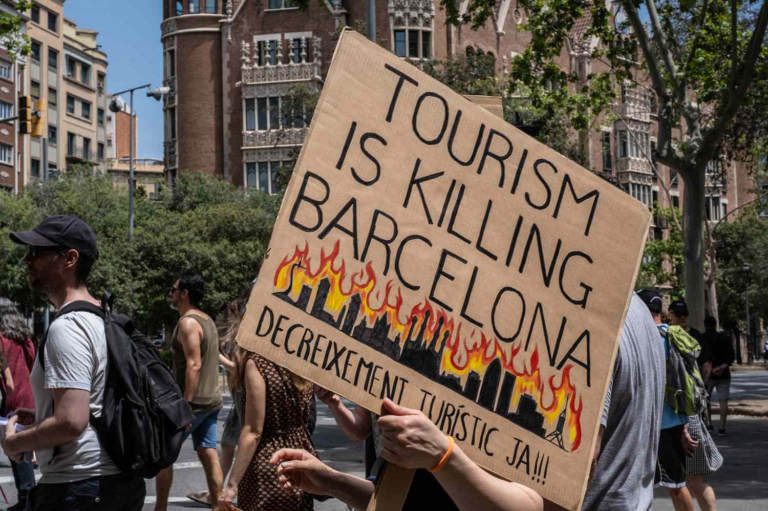
Cities like Venice, Bali, and Barcelona are overwhelmed with foot traffic, pollution, and cultural dilution. Hidden destinations offer peace, pristine nature, and a chance to experience places before mass tourism changes them.
2. Craving Authentic Experiences
Modern travelers crave real stories, not just Instagrammable moments! Whether it’s learning traditional weaving in Guatemala or sharing a home-cooked meal in Laos, hidden travel fosters genuine cultural exchange.
3. The Rise of Remote Work & Digital Nomadism
With remote work now mainstream, professionals are choosing quiet hubs like Da Lat (Vietnam) or Madeira (Portugal) for long-term stays. These places offer affordability, tranquility, and strong digital infrastructure.
(Looking for unique stays? Book unique stays on Booking.com
Seven Benefits for Hidden Travel & Communities
- Authentic Cultural Exchange – Small communities have time to share rituals, leading to richer cross-cultural understanding.
- Lower Costs & High Value – Dining in rural Laos can cost 70 % less than in Luang Prabang, letting budgets stretch into longer stays.
- Reduced Environmental Footprint – Dispersed visitors relieve sensitive ecosystems; guided OTBP trips often include conservation levies.
- Health & Well-Being – Cleaner air, fewer crowds, and nature immersion boost mental resilience.
- Economic Diversification – Tourism receipts flow into underserved regions, financing schools and clinics.
- Personal Safety – Smaller locales typically report lower petty-crime stats than big tourist hubs.
- Unique Storytelling Potential – Travelers capture fresh content for socials and blogs which is gold for personal branding or influencer income.
How Remote Corners Will Define Tomorrow’s Journeys
| Driver | 2025 Reality | 2035 Forecast |
| Transportation | Budget airlines open secondary airports (e.g., Ryanair in Paphos). | Electric VTOL air-taxis enable direct hops to micro-destinations. |
| Digital Access | 5G in many rural zones; Starlink covers oceans. | 6G + low-orbit mesh means livestreaming from Antarctica’s interior. |
| Climate Adaptation | Heatwaves spur seasonal shifts; travelers chase mild microclimates. | AI itinerary engines auto-route trips away from climate extremes in real-time. |
| Community Ownership | Growth of co-op lodges & social enterprises. | Tokenized “community shares” let visitors invest in local projects & earn returns. |
Bottom line: The future traveler will be an active stakeholder, co-creating experiences that leave places better than they found them. And the pursuit of remote adventure travel spots will lead that charge.
4 Trends Shaping the Future of Hidden Travel
(a). Slow Travel Takes Over
Travelers are spending weeks (or months) in one place, diving deep into local life. Countries like Slovenia and Colombia are perfect for this immersive approach.
(b). Eco-Tourism & Conservation Travel
Wildlife volunteering in Madagascar or rewilding projects in Scotland travelers are choosing trips that give back to nature.
(For responsible adventure tours, explore Intrepid Travel’s offbeat trips!)
(c). Digital Detox Retreats
Remote wellness escapes in places like Bhutan or the Azores are booming as travelers seek unplugged rejuvenation.
(e). Voluntourism & Cultural Exchange
Programs combining travel with teaching, farming, or conservation work (e.g., in Nepal or Costa Rica) are gaining popularity.
Top 5 Off-the-Beaten-Path Destinations to Visit Now
Ready to ditch the crowds? These hidden gems offer raw beauty, cultural depth, and unforgettable experiences:
1. Svalbard, Norway
An Arctic wonderland for polar bear sightings and northern lights.
- Book snowmobile tours via GetYourGuide
- Stay warm with thermal gear on Amazon
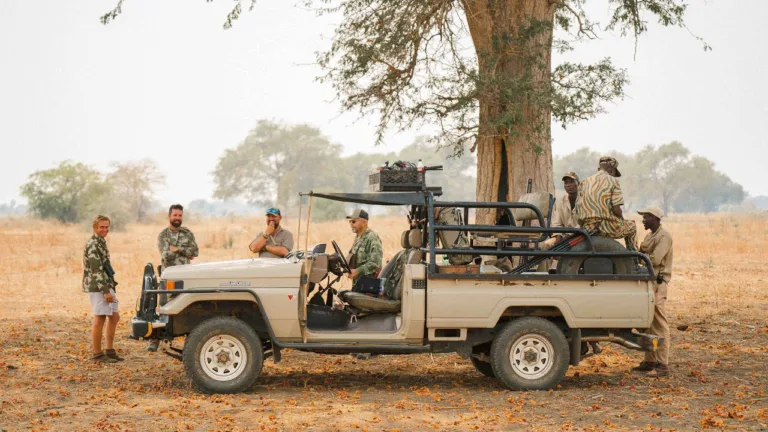
2. Kafue National Park, Zambia
One of Africa’s largest yet least-visited parks.
- Spot lions and elephants on boutique safaris via Booking.com
- Pack Nikon Prostaff binoculars
3. Lamu Island, Kenya
A UNESCO World Heritage site, Lamu boasts Swahili architecture, dhow sailing, and serene beaches. Find charming guesthouses on Airbnb and pack a light, breathable wardrobe.
4. Bagan, Myanmar
With over 2,000 temples, Bagan is a photographer’s dream.
- Book hot air balloon rides via Viator
- Capture it all with a DJI Mini 4 Pro drone compact travel drone.
5. Fish River Canyon, Namibia
Africa’s answer to the Grand Canyon offers epic multi-day hikes. Organize trekking tours via TourRadar and equip yourself with a hydration pack and trail shoes.
These under-the-radar destinations promise raw beauty and cultural depth. Start your next escape today with top-rated gear and trusted booking platforms all linked for your convenience.
(Find flights to these hidden gems on Skyscanner!)
How Hidden Travel Will Transform Tourism
Hidden travel isn’t just about avoiding crowds – it’s about reshaping the entire tourism ecosystem:
- Decentralization: Tourism revenue spreads beyond major hubs.
- Tech Discovery: Apps like Atlas Obscura spotlight obscure wonders.
- Government Investment: Infrastructure is expanding in untapped regions.
- Meaningful Travel: Travelers prioritize depth over bucket lists.
This shift empowers communities, protects ecosystems, and redefines what it means to explore.
Ready to pivot your itinerary and profit? Here’s a roadmap:
Choose Destinations Responsibly
- Scan Intrepid Travel’s Off-Grid Collection for low-impact small-group tours.
- Use the free UNESCO World Heritage Map to find lesser-known cultural sites near popular hubs.
Book Ethical Stays
- Check eco-certified homestays on Expedia
- For remote retreats, try focusing on zero-carbon lodgings.
What to Pack & Travel Light on Your Hidden Travel Adventure
Packing light isn’t just practical – it’s eco-conscious. Here’s your minimalist gear list:
- Water-Purifying Bottle: Try the GRAYL GeoPress for safe hydration anywhere.
- Solar Power Bank: The Anker 26800 mAh keeps your devices charged off-grid.
- Compact Travel Drone: Capture stunning aerials with the DJI Mini 4 Pro.
- Multi-Tool: The Leatherman Skeletool is perfect for remote repairs.
- Travel Insurance: Protect your trip with World Nomads Explorer Plan for hiking, kayaking, and more.
Final Thoughts: The Future is Undiscovered
Hidden travel is more than a niche, it’s a movement. It’s about choosing depth over spectacle, sustainability over convenience, and stories over selfies. As travelers, we have the power to shape tourism’s future from one remote village, forest trail, or cultural exchange at a time.
So, where will your next hidden journey take you?