Southern Africa is home to some of the most extraordinary wildlife destinations on earth. From gliding silently through wilderness waterways in a canoe to tracking lions on foot and photographing elephants against dramatic sunsets, the region offers far more than the traditional game drive. For travellers seeking authentic wilderness encounters, these Unique Southern Africa Safaris have to offer delivering unforgettable memories and life-changing adventures.
Whether you are a wildlife photographer, bird enthusiast, adventure seeker, or first-time safari traveller, Southern Africa presents a remarkable collection of safari experiences that deserve a place on every safari enthusiast’s bucket list.
Disclosure: This article contains affiliate links. If you purchase through these links, we may earn a commission at no extra cost to you.
The Unique Southern Africa Safaris Matrix
Before we dive into the specific thrill-seeking styles, let’s look at the premier destinations across Southern Africa and what makes each a holy grail for specific safari disciplines.
| Country | Primary Destination | Elite Safari Discipline | Iconic Wildlife Draw |
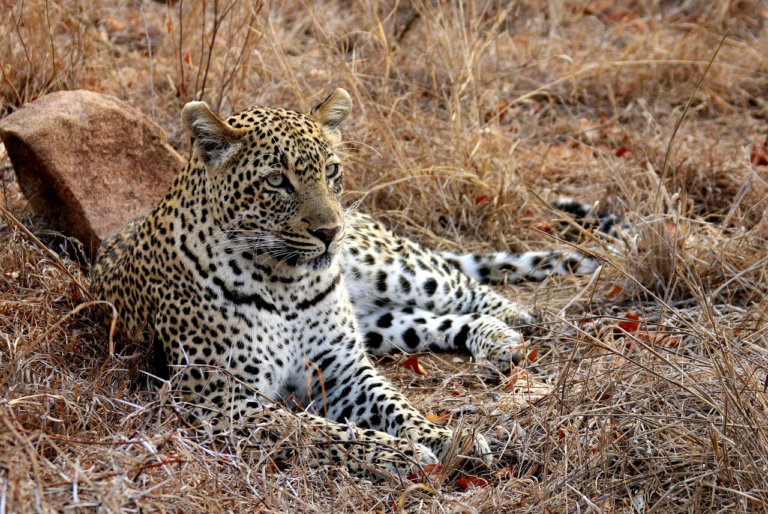
| South Africa | Sabi Sand Game Reserve | Photographic Safaris & Game Drives | Unparalleled Leopard sightings |
| Zambia | South Luangwa National Park | Walking Safaris | Large Lion prides & Elusive Honey badgers |
| Zambia / Zimbabwe | Lower Zambezi & Mana Pools | Canoe Safaris & River Cruises | River-crossing Elephants & Tigerfish |
| Botswana | Okavango Delta | Birding & Mokoro Safaris | Pel’s Fishing Owl & Sitatunga antelope |
| Namibia | Chobe River / Zambezi Region | Photographic River Cruises | Massive Hippo pods & Crocodiles |
Why Southern Africa Offers the Ultimate Safari Experience
Few places in the world can match the diversity found across Botswana, Zambia, Zimbabwe, Namibia, and South Africa. Here, visitors can experience:
- World-class wildlife photography opportunities
- Guided walking safaris in pristine wilderness areas
- Multi-day canoe safaris along legendary rivers
- Exceptional birding experiences
- Luxury river cruises
- Thrilling Big Five game drives
These Unique Southern Africa Safaris offers allow travellers to engage with nature in ways that extend beyond traditional wildlife viewing.
Photographic Safaris: Capturing Africa’s Wild Beauty
Photographic safaris have become one of the fastest-growing safari niches, attracting both professional photographers and passionate hobbyists.
Top Photographic Safari Destinations: Sabi Sand Game Reserve (South Africa) and Mashatu Game Reserve (Botswana).
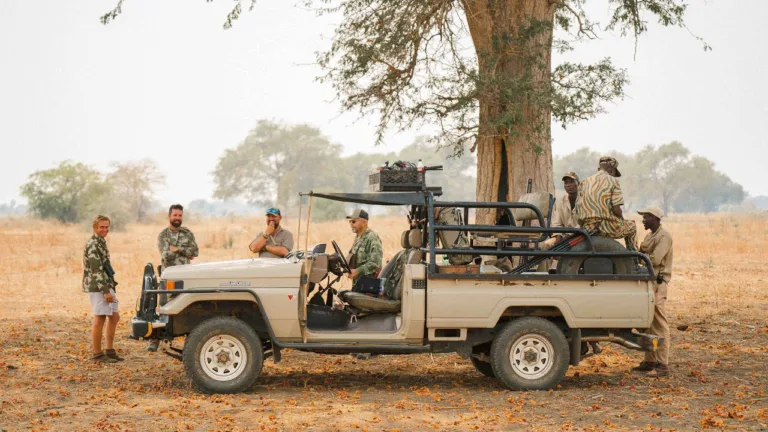
These destinations feature custom-built, open-front vehicles with swivel camera mounts, lowered suspension for low-angle dramatic shots, and underground hides built at water level.
these destinations are famous for:
- Underground photographic hides
- Elephant photography
- Predator interactions
- Specialized photography vehicles
Associated Activity: Underground Hide Photography. Sitting at eye-level with a herd of drinking elephants offers a perspective-and a wide-angle shot-that is completely impossible from a vehicle.
Why it’s a must: You are accompanied by professional wildlife photographers who teach you backlighting, motion blur, and framing in real-time, ensuring you return home with gallery-grade prints rather than blurry phone snapshots.
Walking Safaris: Africa’s Original Safari
Long before safari vehicles existed, explorers experienced Africa on foot. Today, walking safaris remain among the most immersive Unique Safari Experiences Southern Africa can provide.
Top Walking Safari Destinations: South Luangwa National Park, Zambia
Known globally as the birthplace of the walking safari, South Luangwa offers multi-day walking trails where you trek from fly-camp to fly-camp, accompanied by an elite armed scout and an expert naturalist.
Expect encounters with:
- Giraffes
- Buffalo
- Elephants
- Diverse birdlife
- Smaller species often missed during game drives
Associated Activity: Spreading and Spoor Tracking. You will learn to read the “bush newspaper”- identifying how fresh a lion print is by the crispness of the sand grains, or determining the stress levels of an elephant herd by their dung. Because you’ll be walking over uneven terrain studded with 3-inch thorns, don’t skimp on your footwear. We highly recommend breaking in a pair of [Merino Wool Trail Socks] paired with rugged [Ankle Safari Gaiters] to keep debris out of your boots.”
Why it’s a must: It strips away the mechanical barrier of an engine. When you stand 40 meters away from a white rhino with nothing but a gentle breeze between you, your understanding of the wild changes forever.
Canoe Safaris: Exploring Africa’s Wild Rivers
If you want to move completely undetected through the African wilderness, you need to discard wheels and pick up a paddle.
For many safari veterans, canoeing represents one of the most exciting Unique Southern Africa Safaris available.
Top Canoe Safari Destinations: Mana Pools National Park (Zimbabwe) and the Lower Zambezi (Zambia).
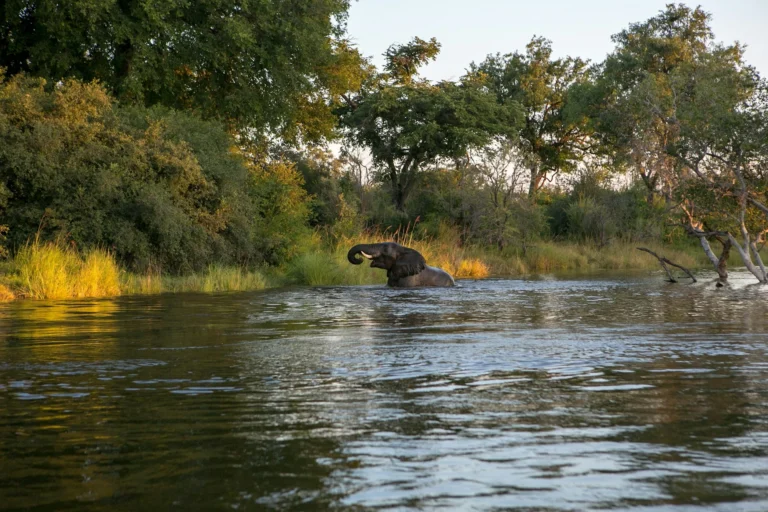
Navigating the mighty Zambezi River in a Canadian-style canoe allows you to glide silently past animals coming down to drink. Elephants will often swim across the river right in front of your watercraft.
(Pro tip: If you’re paddling down these rivers, keeping your expensive electronics dry is non-negotiable. Grab a heavy-duty [Sea to Summit Dry Bag] before you leave).* “
The Zambezi River provides one of Africa’s greatest canoe safari experiences.
Wildlife sightings often include:
- Hippos
- Crocodiles
- Elephants
- Fish eagles
- Waterbuck
Associated Activity: Mokoro Excursions. In Botswana’s Okavango Delta, opt for a traditional dugout canoe (mokoro) poled by a local guide through crystal-clear, lily-covered channels.
Why it’s a must: Motorboats cause acoustic pollution that alerts animals miles away. A canoe is entirely silent, allowing you to drift within meters of bathing buffaloes and nesting water birds without disturbing their natural behavior.
Birding Safaris: A Paradise for Bird Enthusiasts
Southern Africa is home to over 900 bird species, making it an absolute paradise for birders (or “twitchers”) looking to tick rare avian wonders off their life lists.
Top Birding Safari Destinations: The Okavango Delta (Botswana) and the Caprivi Strip / Zambezi Region (Namibia).
Traveling through dense riverine forests, papyrus swamps, and open floodplains to seek out highly localized and elusive species is a unique experience.
Home to:
- Pel’s Fishing Owl
- Slaty Egret
- African Skimmer
- Wattled Crane
Associated Activity: Night-Jar and Owl Spotting. Spotting nocturnal avian predators using specialized red-filtered spotlights that do not harm the birds’ sensitive eyes.To actually spot these masterfully camouflaged birds in low-light environments, a premium pair of compact [8×42 Waterproof Binoculars] is absolutely mandatory for your daypack.”
Why it’s a must: The ultimate goal here is tracking down the legendary Pel’s Fishing Owl or catching the spectacular visual explosion of a Southern Carmine Bee-eater colony, where thousands of crimson birds nest in the sandy riverbanks.
Game Drives: The Classic African Safari
No safari itinerary is complete without game drives.Even the most seasoned travelers appreciate the classic game drives provided they are executed with an elite twist.
Top Game Drive Destination: Kruger National Park, South Africa
The benchmark for African wildlife viewing.In private Kruger concessions, off-roading laws allow vehicles to follow apex predators deep into the thickets.
Highlights include:
- Big Five sightings
- Excellent road network
- Luxury lodges
- Year-round wildlife viewing
Associated Activity: Night Spotlighting. Utilizing state-of-the-art thermal imaging equipment to watch leopards hunt under the pitch-black African sky.
River Cruises: Wildlife Viewing from the Water
River cruises offer a completely different perspective and are among the most relaxing Unique Safari Experiences Southern Africa provides.
Top River Cruise Destinations: Chobe River, Botswana
The Unique Experience: On the Chobe River, custom-designed, flat-bottom boats feature 360-degree rotating chairs with camera mounts, bringing you centimeters above the water line as giant elephant bulls swim across the channels.
Expect to see:
- Large elephant herds
- Buffalo crossings
- Hippos
- Crocodiles
- Extraordinary birdlife
Associated activities:
- Sundowner cruises
- Private boat charters
- Fishing expeditions
- Cultural village visits
Why These Experiences Belong on Every Safari Enthusiast’s Itinerary
The beauty of Unique Southern Africa Safaris offers lies in their diversity.
A traveller may photograph leopards in South Luangwa, canoe past elephants on the Zambezi, track wildlife on foot in Mana Pools, cruise the Chobe River at sunset, and photograph rare birds in the Okavango Delta ,all within a single safari journey.
Each experience reveals a different side of Africa:
- Walking safaris create connection.
- Canoe safaris create adventure.
- Photographic safaris create memories.
- Birding safaris create discovery.
- Game drives create excitement.
- River cruises create relaxation.
Together, they form the ultimate safari adventure.
The Checklist of Essential Gear To Pack For Your Unique Southern Africa Safaris
Packing for a walking safari when your itinerary includes small bush planes (like a Cessna Caravan) requires a strict shift in mindset. You aren’t just packing light to avoid hassle – you are packing light because of rigid structural weight limits.
The Bush Plane Golden Rules
Before picking up a single piece of clothing, your luggage must fit these constraints:
- The Weight Cap: Usually 15 kg (33 lbs) to 20 kg (44 lbs) total per person, which includes your hand luggage and heavy camera gear.
- The Frame Rule: Absolutely no hard-shelled suitcases or bags with rigid frames or wheels. The luggage pods under small bush planes have tight, uniquely shaped openings. Your bag must be completely soft-sided so the pilots can physically manipulate and squeeze it into the cargo hold.
1. On Your Feet: The Core Investment
When walking 10 to 15 kilometers a day through thorns, sand, and rough terrain, your footwear is your life insurance against blisters and dynamic injuries.
- 1x Pair of Trail Boots: Mid-to-high ankle support is preferred to protect against uneven ground and low-lying thorns. Ensure they are well broken-in before you land.
- 1x Pair of Lightweight Camp Shoes: Breathable trail runners or sandals to change into once you arrive at your fly-camp.
- 4x Pairs of Merino Wool Trail Socks: Merino wool naturally resists odor, cushions your feet, and wicks away moisture far better than cotton.
- 1x Pair of Gaiters: Short canvas ankle gaiters are a lifesaver. They prevent annoying grass seeds, sand, and thorns from sliding down into your boots.
2. Clothing: The Neutral Palette
On a walking safari, color choice is a matter of safety, not fashion. Bright colors attract insects, while white and black stand out starkly to wildlife, signaling danger or making you look like a target.
Crucial Rule: You must blend into the environment. Stick entirely to khaki, olive green, beige, or brown. Avoid camouflage patterns, as they are illegal or heavily restricted for civilians in several Southern African nations (like Zimbabwe and Zambia).
- 2-3x Technical Trail Shirts: Long-sleeved with roll-up tabs. Long sleeves provide vital protection against both the harsh African sun and scratchy acacia branches.
- 2x Convertible Trail Pants: Pants that zip off into shorts. Mornings are freezing; afternoons are scorching.
- 1x Lightweight Fleece or Down Jacket: Essential for crisp dawn starts and chilly evenings around the campfire.
- 1x Wide-Brimmed Safari Hat: Must have a chin strap. The wind on open tracking routes or tracking vehicles can pull a loose hat right off your head.
- Buff / Bandana: To protect your neck from the sun and shield your mouth from dust.
3. The Specialized Walking Daypack
While your main duffel bag travels ahead to the next camp via vehicle or camp staff, you will wear a lightweight daypack (15-20L) while trekking.
- High-Quality Binoculars: Opt for an 8×42 or 10×42 magnification setup. Since you are on foot, compact and lightweight binoculars save valuable neck strain.
- Hydration Reservoir or Bladders: A 2-liter capacity is standard. Ensure your backpack keeps it insulated so the water doesn’t boil in the midday heat.
- Polarized Sunglasses: Essential for cutting the intense glare of the bushveld.
- Headlamp: Crucial for navigating around un-fenced fly-camps at night.
4. Toiletries & Medical Kit
Most remote bush camps provide basic biodegradable soaps and insect repellents, but your personal kit should remain minimal and effective.
Rehydration Sachets: Crucial for replacing electrolytes lost during hot afternoon treks.
Broad-Spectrum Sunscreen: SPF 50+ and unscented (sweet-smelling perfumes attract unwanted insects).
Personal Blister Kit: Compeed patches, medical tape, and moleskin.
Insect Repellent: Formulas containing DEET or Picaridin.
Prescription Medications: Pack these strictly in your hand luggage/daypack, along with your anti-malarial prophylactics if traveling through high-risk corridors like the Zambezi Valley or Okavango Delta.
You can refer to our other article on essential safari gear
Final Thoughts
Southern Africa remains one of the last great wilderness regions on Earth. From the floodplains of the Okavango Delta to the mighty Zambezi River and the wildlife-rich landscapes of South Luangwa, the opportunities for exploration are limitless.
For travellers seeking more than a standard safari holiday, these Unique Southern Africa Safaris offers provide deeper connections with nature, richer wildlife encounters, and unforgettable adventures that will remain etched in memory for a lifetime.