Southern Africa is famous for spectacular safaris, but beyond the well-known wildlife parks lies a hidden world of secret migration corridors used by animals for centuries. These ancient paths stretch across floodplains, deserts, forests, and river systems, linking ecosystems from the Zambezi region to the Karoo.
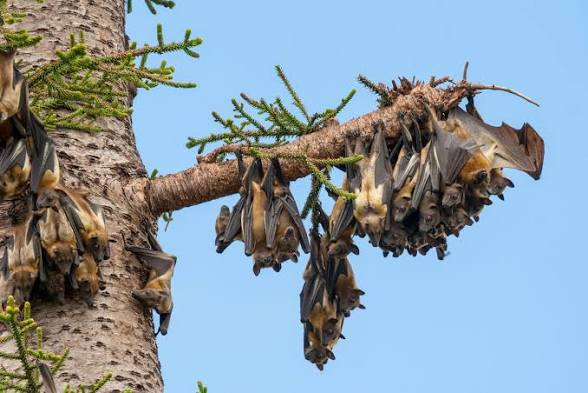
While East Africa’s wildebeest migration often dominates travel documentaries, Southern Africa quietly hosts some of the continent’s most fascinating wildlife movements. Massive herds of zebra cross the Mokgadikgadi pans, elephants travel between conservation areas, and millions of straw-colored fruit bats darken the skies during seasonal migrations.
In this guide, we uncover the most incredible Hidden Animal Migration Routes Southern Africa travelers rarely hear about.
Planning a wildlife-focused trip through Southern Africa? Compare safari packages, guided wildlife tours, and travel insurance options before you go.
Affiliate Disclosure: This post contains affiliate links. If you purchase through them, we may earn a commission at no extra cost to you.
Why Animal Migration Routes Matter
Wildlife migration is more than a tourist attraction. These seasonal movements are essential for survival. Animals migrate in search of:
- Water
- Fresh grazing land
- Safer breeding areas
- Reduced competition
- Seasonal food sources
Migration corridors also maintain biodiversity across ecosystems. Without protected corridors, animals become trapped in fragmented habitats.
Unfortunately, increasing poaching pressure, fencing, mining, and human settlement threaten many traditional migration routes.
Modern conservationists now use GPS collars to track elephant, zebra, and wildebeest movements in real time. This technology helps scientists identify critical wildlife corridors that require protection.
1. The Zebra Migration of Botswana’s Mokgadikgadi Pans

One of Africa’s least-known wildlife spectacles occurs between the Okavango Delta and Botswana’s Mokgadikgadi pans.
Thousands of zebra migrate more than 500 kilometers annually, making this one of the longest land migrations in Africa. During the wet season, the zebras head toward nutrient-rich grasslands in the pans. As water disappears, they return toward the Okavango ecosystem.
This migration is remarkable because it was only fully discovered after researchers fitted animals with GPS collars.
Travelers hoping to witness Botswana’s zebra migration can compare safari lodges near the Okavango Delta and Mokgadikgadi Pans for the best wildlife-viewing opportunities.
Best Time to Visit
- November to March
- Green season with dramatic thunderstorms
- Excellent wildlife photography opportunities
For wildlife photography during Botswana’s green season, a quality telephoto lens and compact binoculars can dramatically improve your safari experience.
Wildlife You May See
- Zebra
- Wildebeest
- Hyena
- Lion
- Cheetah
2. The Wildebeest Migration of Zambia’s Liuwa Plain

Nestled in western Zambia, this park stands out as one of Southern Africas Hidden Animal Migration Routes, the spectacular migration in Liuwa Plain remains one of Africa’s best-kept safari secrets.
Forget the Serengeti. The Liuwa Plain National Park hosts over 40,000 blue wildebeest in a 300‑km loop that is almost completely unknown to international tourists. Unlike the chaotic Serengeti crossing, Liuwa’s migration is serene, silent, and spread across endless golden grass. The wildebeest move to follow seasonal rain pans, accompanied by the world’s largest concentration of crowned cranes and hyenas that have learned to hunt in coordinated packs.
Planning to experience Liuwa Plain National Park firsthand? Consider this safari package. Because accommodations inside Liuwa are limited, booking safari packages several months in advance is highly recommended during migration season.
The region is also famous for:
- Rare birdlife
- Wild dog sightings
- Stunning lightning storms
- Vast open plains
Because tourism remains low, Liuwa provides a more exclusive safari adventure.
Conservation Challenges
The migration faces threats from:
- Habitat loss
- Illegal hunting
- Expanding settlements
- Climate change
Local conservation organizations work with communities to reduce poaching pressure and protect migration corridors.
Many travelers now choose conservation-focused safaris that directly support wildlife corridor protection and local community initiatives.
3. Elephant Corridors in the Zambezi Region

The Zambezi region supports one of the world’s largest elephant populations.
Elephants move seasonally across conservation areas spanning:
- Zambia
- Zimbabwe
- Botswana
- Namibia
- Angola
These giant animals travel ancient migration routes connecting rivers, forests, and floodplains.
The Kavango-Zambezi Transfrontier Conservation Area (KAZA) was created to preserve these important elephant corridors.
Several guided safari operators offer multi-country itineraries through the KAZA region, allowing visitors to follow elephant migration routes across Southern Africa.
Scientists use satellite tracking and GPS collars to monitor movement patterns and reduce human-wildlife conflict.
Why Elephant Corridors Matter
Elephants shape ecosystems by:
- Spreading seeds
- Creating water access points
- Opening forest pathways
- Supporting biodiversity
Without protected corridors, elephant populations become isolated.
4. Straw-Colored Fruit Bats of Kasanka

Every year, millions of straw-colored fruit bats arrive in Zambia’s Kasanka forests in one of Earth’s largest mammal migrations.
The skies become filled with bats at sunset as they feed on seasonal fruits in the swamp forests.
This extraordinary event remains largely unknown outside wildlife photography circles.
Best Time to Visit
- October to December
Wildlife photographers visiting Kasanka often book specialized photography tours and elevated viewing platforms during the peak bat migration period.
Why It’s Important
The bats play a crucial ecological role by:
- Pollinating forests
- Spreading seeds
- Supporting forest regeneration
5. Wildlife Movement Across the Karoo
The semi-desert Karoo region of South Africa once hosted enormous migrations of springbok and other grazing animals.
Although modern fencing reduced many historic routes, conservation groups are now restoring natural wildlife corridors.
Scientists believe some ancient migration patterns are slowly returning in protected areas.
The Karoo’s dramatic landscapes also provide incredible opportunities for:
- Wildlife photography
- Stargazing
- Conservation tourism
- Eco-road trips
A self-drive itinerary is one of the best ways to explore the Karoo, with numerous eco-lodges and remote guest farms offering access to wildlife and dark-sky reserves.
How Technology Is Saving these Hidden Animal Migration Routes
Today, conservationists rely heavily on:
- Satellite tracking
- Wildlife mapping
- Drone monitoring
- GPS collars
- Anti-poaching patrol systems
These technologies help researchers understand migration timing, route changes, and habitat threats.
Tourism also plays a vital role. Responsible safari tourism creates economic incentives for protecting wildlife corridors instead of converting land for agriculture or development.
Choosing responsible safari operators helps fund conservation projects while supporting local communities that protect these migration corridors.
Best Destinations to Witness Hidden Animal Migration Routes
Ready to see these migrations for yourself? Compare the best safari lodges, guided wildlife tours, and seasonal travel deals across Southern Africa before planning your route.
| Destination | Main Species | Best Season |
|---|---|---|
| Okavango Delta | Zebra | Nov–Mar |
| Mokgadikgadi pans | Zebra & Wildebeest | Dec–Mar |
| Liuwa Plain | Wildebeest | Nov–May |
| Kafue National Park | Elephant & Antelope | Jun–Oct |
| Kasanka National Park | Straw-colored fruit bats | Oct–Dec |
| Zambezi region | Elephant | Year-round |
| Karoo | Springbok | Seasonal |
Final Thoughts
Southern Africa’s hidden migrations remain among the world’s most underrated wildlife spectacles. From zebra crossing the Mokgadikgadi pans to elephant corridors in the Zambezi region, these journeys reveal the incredible resilience of Africa’s wildlife.
As conservation efforts expand across places like Kafue, Liuwa Plain, and the Okavango Delta, travelers have a rare opportunity to witness extraordinary migrations before they become mainstream tourist attractions.
If you’re planning a wildlife adventure through Botswana, Zambia, Namibia, or South Africa, now is an excellent time to compare migration-season safari packages, accommodation deals, and travel insurance options.
For wildlife lovers, photographers, and safari enthusiasts, exploring these hidden migration routes offers a deeper and more authentic African adventure.